Best Indian Spices to Buy Online for US Cooking
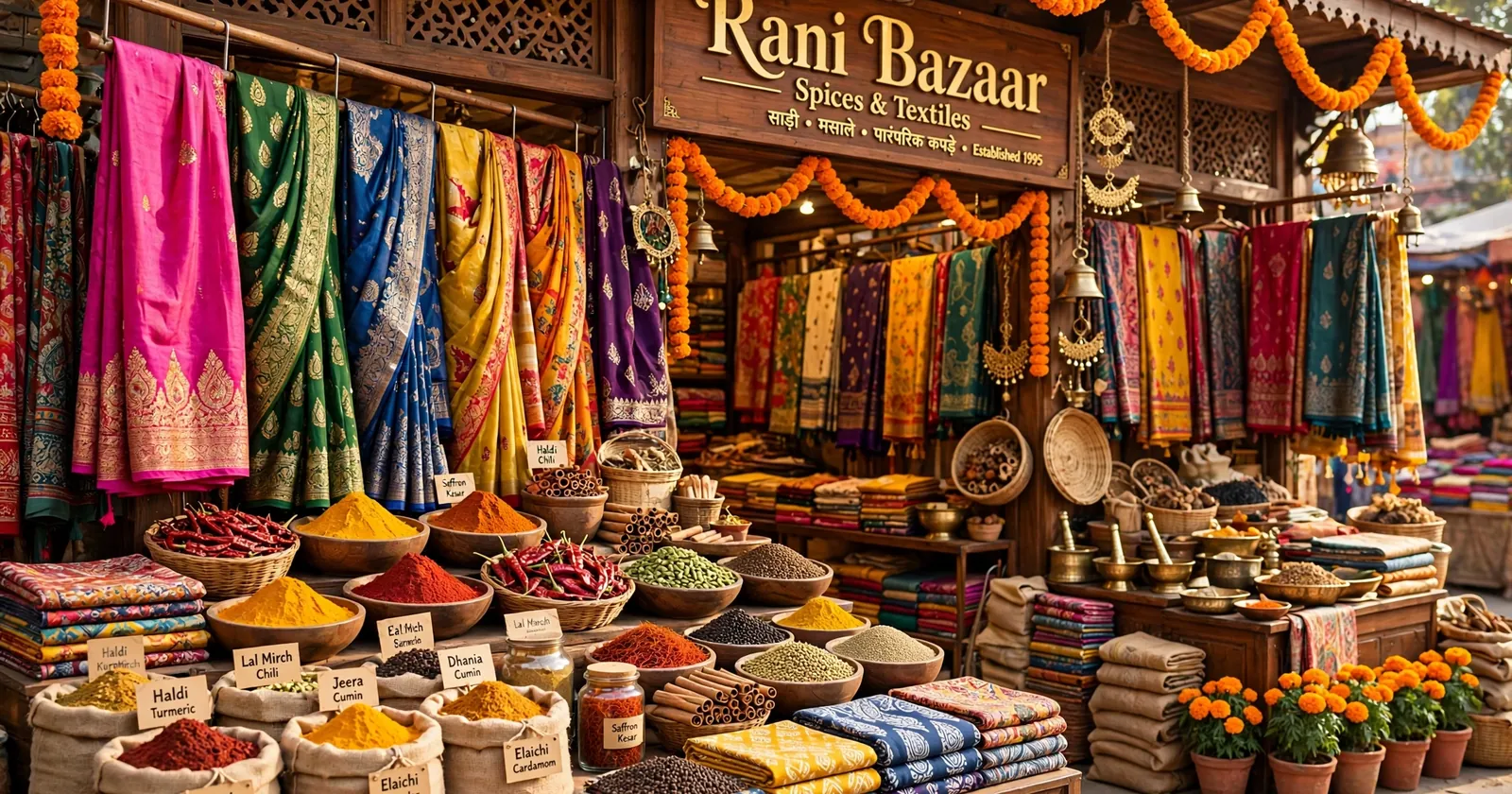
If you've ever tried to recreate a restaurant-style curry at home and it fell flat, the problem probably wasn't your recipe. It was your spice cabinet. Finding the best Indian spices to buy online for US cooking is the single biggest upgrade you can make to your kitchen if you love South Asian food. Grocery store spice blends often sit on shelves for months, losing their punch, while authentic Indian brands are formulated for real depth of flavor.
The good news is that you no longer need to live near a South Asian neighborhood to get quality spices. Ordering through Distacart Indian groceries lets you stock a proper masala shelf from anywhere in the US, with brands that Indian households have trusted for generations.
This guide walks through the essential spices worth buying, how to compare quality, what to look for so your online order actually improves your cooking, and a few storage and usage tips that most beginner cooks never learn until years in.
Why Buying Indian Spices Online Beats the Local Grocery Aisle
Most American supermarkets carry a narrow selection of "ethnic" spices, often repackaged and priced at a premium. They're rarely fresh, and you almost never get a choice of brand or region of origin. Ordering online solves several problems at once.
- You get access to established Indian brands rather than generic store-label jars.
- Bulk and family-size packs are usually available, which is more economical for regular cooking.
- Spice blends (masalas) are formulated to be authentic, not Americanized.
- You can compare whole spices versus ground versions, which matters a lot for flavor.
- Shipping to your door means no more driving across town for one ingredient.
There's also a practical benefit that's easy to overlook: consistency. Once you find a brand of turmeric or garam masala you like, ordering online means you can reliably get the exact same product again instead of hoping your local store restocks the right one.
The Essential Indian Spices Every US Kitchen Needs
You don't need fifty jars to cook well. A focused set of staples covers almost every North and South Indian recipe. Here's where to start, along with a note on how each one is typically used.
Turmeric (Haldi)
Turmeric is the backbone of Indian cooking, giving dishes their signature golden color and earthy flavor. Look for a fine, bright powder rather than a dull, brownish one, which usually signals age or poor quality. It's used in almost every savory dish, from dals to vegetable stir-fries, usually added early in the cooking process so it can bloom in oil.
Cumin (Jeera) — Whole and Ground
Cumin seeds are used for tempering (tadka), while ground cumin goes directly into curries and dals. Buying both forms gives you more flexibility than a single ground jar. Toasting whole cumin seeds in hot oil before adding onions is one of the simplest ways to instantly deepen the flavor of a dish.
Coriander Powder (Dhania)
Coriander adds a mild citrusy sweetness and thickens gravies naturally. It's used in nearly every curry base, so a large pack is worth it if you cook often. Many home cooks use a two-to-one ratio of coriander to cumin as a base seasoning for vegetable dishes.
Red Chili Powder (Lal Mirch)
Indian chili powder is different from American chili powder, which is a blend. Make sure you're buying pure ground red chili, and check the heat level since brands vary widely. If you're sensitive to heat, look for a mild variety like Kashmiri chili powder, which adds color without overwhelming spiciness.
Garam Masala
This warming blend of cinnamon, cloves, cardamom, and other spices is added at the end of cooking to round out flavor. Every region and brand has its own version, so it's worth trying a couple to find your favorite. A small pinch stirred in right before serving can make a simple dal taste far more complex.
Mustard Seeds (Rai)
Essential for South Indian tempering, mustard seeds pop in hot oil and release a nutty, sharp aroma that defines dishes like sambar and rasam. They're also used in pickling and many lentil preparations across different regions of India.
Cardamom (Elaichi)
Used in both savory dishes and desserts like chai and kheer, cardamom pods should smell strongly floral when fresh. Weak-smelling pods are past their prime. Green cardamom is more common for everyday cooking, while black cardamom has a smokier profile suited to heavier meat dishes.
Asafoetida (Hing)
A tiny pinch of hing replaces onion and garlic flavor in many vegetarian dishes and aids digestion. A little goes a long way, so a small jar lasts a long time. It's especially common in Jain and Gujarati cooking, where onion and garlic are often avoided.
Cloves and Cinnamon
These two are often overlooked by beginners but are essential for rice dishes like biryani and pulao. A couple of whole cloves and a small cinnamon stick added to hot oil before rice goes in can transform a plain pilaf into something fragrant and restaurant-worthy.
Fenugreek Seeds (Methi)
Slightly bitter on their own, fenugreek seeds mellow into a warm, maple-like flavor when cooked. They're used in pickles, curries, and some South Indian tempering blends, and the dried leaves (kasuri methi) are a separate pantry staple worth having too.
Whole Spices vs. Ground Spices: What to Buy
Whole spices retain their essential oils longer, which means better flavor over time. Ground spices are more convenient but lose potency faster once opened. For everyday staples like cumin, coriander, and mustard seeds, buying whole and grinding small batches at home makes a noticeable difference. For turmeric and chili, ground versions are practical since grinding them at home is messy and time-consuming for most home cooks.
A simple compromise many households use: buy whole spices for the ones used in tempering (cumin, mustard, fenugreek) since they're used in small quantities per dish, and buy ground versions for the spices used in larger amounts throughout cooking, like turmeric and chili powder.
| Spice | Best Form to Buy | Shelf Life (Unopened) |
|---|---|---|
| Turmeric | Ground | Around 2 years |
| Cumin | Whole seeds | Around 3 years |
| Coriander | Ground or whole | Around 2 years |
| Red Chili Powder | Ground | Around 1-2 years |
| Garam Masala | Ground blend | Around 1 year |
| Cardamom | Whole pods | Around 3 years |
| Cloves | Whole | Around 3 years |
How to Judge Spice Quality When Shopping Online
Since you can't smell or touch spices before buying, you have to rely on other signals. A few habits help you avoid disappointing purchases.
- Check the ingredient list on blends to make sure there are no unnecessary fillers.
- Look for brands that state whether the spice is single-origin or a mix.
- Read product descriptions for grinding date or packaging information when available.
- Buy smaller quantities first if you're trying a brand for the first time.
- Favor established South Asian grocery brands over generic "spice" labels.
- Check the current price across pack sizes, since larger packs are sometimes better value per ounce but only worth it if you cook frequently.
Building a Starter Spice Kit
If you're just getting into Indian cooking, don't buy everything at once. Start with turmeric, cumin, coriander, red chili powder, and garam masala. These five alone unlock the majority of popular recipes, from butter chicken to chana masala. Once you're comfortable, expand into cardamom, cloves, cinnamon, and regional blends like sambar powder or chaat masala.
Ordering a curated set through Distacart Indian groceries is often easier than hunting for each spice individually, since many family-size combo packs are designed exactly for this kind of starter kitchen. This also saves on shipping compared to ordering one jar at a time from several different sites.
Regional Spice Blends Worth Exploring
Beyond the basics, India's regional cuisines have their own signature blends that are worth adding once your starter kit is solid.
- Chaat Masala – a tangy, salty blend perfect for sprinkling over fruit, snacks, and street-food style dishes.
- Sambar Powder – a South Indian blend built around lentils and vegetables, essential for sambar and rasam.
- Panch Phoron – a Bengali five-spice mix used whole in tempering for vegetables and lentils.
- Biryani Masala – a warming blend specifically balanced for layered rice dishes.
Trying one new regional blend every month or two is a low-risk way to expand your cooking repertoire without overloading your spice shelf.
Storing Your Spices for Maximum Freshness
Even the best Indian spices to buy online for US cooking will degrade quickly if stored poorly. Keep them in airtight glass jars, away from direct sunlight and stove heat. Avoid storing spice jars right above the stove, a common mistake that speeds up flavor loss. Label jars with purchase dates so you know when to restock, and consider keeping a small "in-use" jar in the kitchen while storing the bulk of a large pack in a cooler, darker pantry spot.
Where to Buy
For a reliable one-stop option, Distacart Indian groceries offers a wide range of Indian spice brands, whole and ground varieties, and blended masalas shipped across the US. It's a convenient way to build or restock your spice shelf without visiting multiple stores. As always, check the current price and pack size before ordering, since options and availability can change.
Sources and further reading
Independent references for checking the safety, rules and buying details covered in this guide. We are not affiliated with these organizations.
FAQ
What are the must-have Indian spices for a beginner?
Start with turmeric, cumin, coriander powder, red chili powder, and garam masala. These five cover the base of most North Indian curries and dals, letting you build confidence before expanding into more regional or specialty spices.
Is it cheaper to buy Indian spices online than in stores?
Often yes, especially in bulk or family-size packs. Online South Asian grocery sites also give you more brand choices than a typical US supermarket, which can mean better value for the same quality when you check the current price.
How long do Indian spices stay fresh once opened?
Ground spices generally stay flavorful for about six months to a year after opening, while whole spices like cumin seeds or cardamom pods can last two to three years if stored in airtight containers away from heat and light.
Can I substitute American chili powder for Indian red chili powder?
Not really, since American chili powder is a blend of spices while Indian red chili powder is pure ground chili. Using them interchangeably will change both the heat level and the overall flavor of your dish.